Cufflinks are elegant fashion accessories that can add a touch of sophistication to any formal outfit. Available in a variety of materials, shapes and styles, they have a long history dating back to the Victorian era. Although they are often associated with menswear, cufflinks are also popular with women. In this article, we look at the different types of cufflinks and how to care for them so that they stay beautiful and work properly.
The different types of cufflinks
Cufflinks differ first and foremost in the materials they are made from, each with its own advantages and drawbacks. Among the most common are metal, gemstone and enamel cufflinks.
Metal cufflinks
Metal cufflinks are the most common. They can be made from a variety of metals, including gold, silver, stainless steel, titanium and platinum.
They can be polished for a smooth, shiny look, or textured for a more rustic design. Metal cufflinks are durable and hard-wearing, but they can scratch or tarnish over time.
Gemstone cufflinks
Gemstone cufflinks are a more luxurious option, often worn for very formal occasions such as weddings or major events. The stones most commonly used are diamond, sapphire, emerald and topaz.
The stones can be cut into a variety of shapes, such as squares, rounds or ovals. They can be set in a precious metal for a more traditional effect, or in a less expensive metal for a more modern look.
Enamel cufflinks
Enamel cufflinks are a more colourful option and a good way to add a splash of colour to an outfit. Enamel can be applied to different metals, such as silver and gold. Enamel cufflinks can be engraved or enamelled with patterns and designs for a personal touch.
How to care for and store your cufflinks
To extend the life of your cufflinks and keep them in good condition, it is important to clean them, store them properly and maintain them regularly. Here are a few useful tips.
How do I clean my cufflinks?
How you clean cufflinks depends on their material. Our little tip for metal cufflinks, especially gold ones: rub them with a little toothpaste. You can also soak them for a while in a glass of fizzy drink.
Gemstone cufflinks should be cleaned with a soft cloth and a jewellery cleaner designed specifically for gemstones.
For enamel cufflinks, simply wipe the surface with a soft cloth, using a little water if needed. Avoid abrasive cleaners, which could scratch or damage the enamel.
Where should I keep my cufflinks?
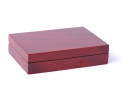
To prevent scratches and damage, store your cufflinks properly: in a jewellery box or a felt-lined case. You can also put them in a small fabric pouch to stop them rubbing against other jewellery. Avoid leaving them loose in a drawer or compartment where they could get mixed up or scratched.
How do I maintain my cufflinks?
Regular maintenance is essential to prevent wear and mechanical faults. Metal cufflinks can be polished regularly to keep their shine and smoothness. Gemstone cufflinks should be checked regularly to make sure the stones are firmly set and in no danger of falling out. Enamel cufflinks should be protected from knocks and impacts to avoid cracks or chips.
As we have seen, there are many kinds of cufflinks, and all of them need a little care. Clean them regularly, store them properly and maintain them, and your cufflinks will keep their looks and work as they should for years to come.