

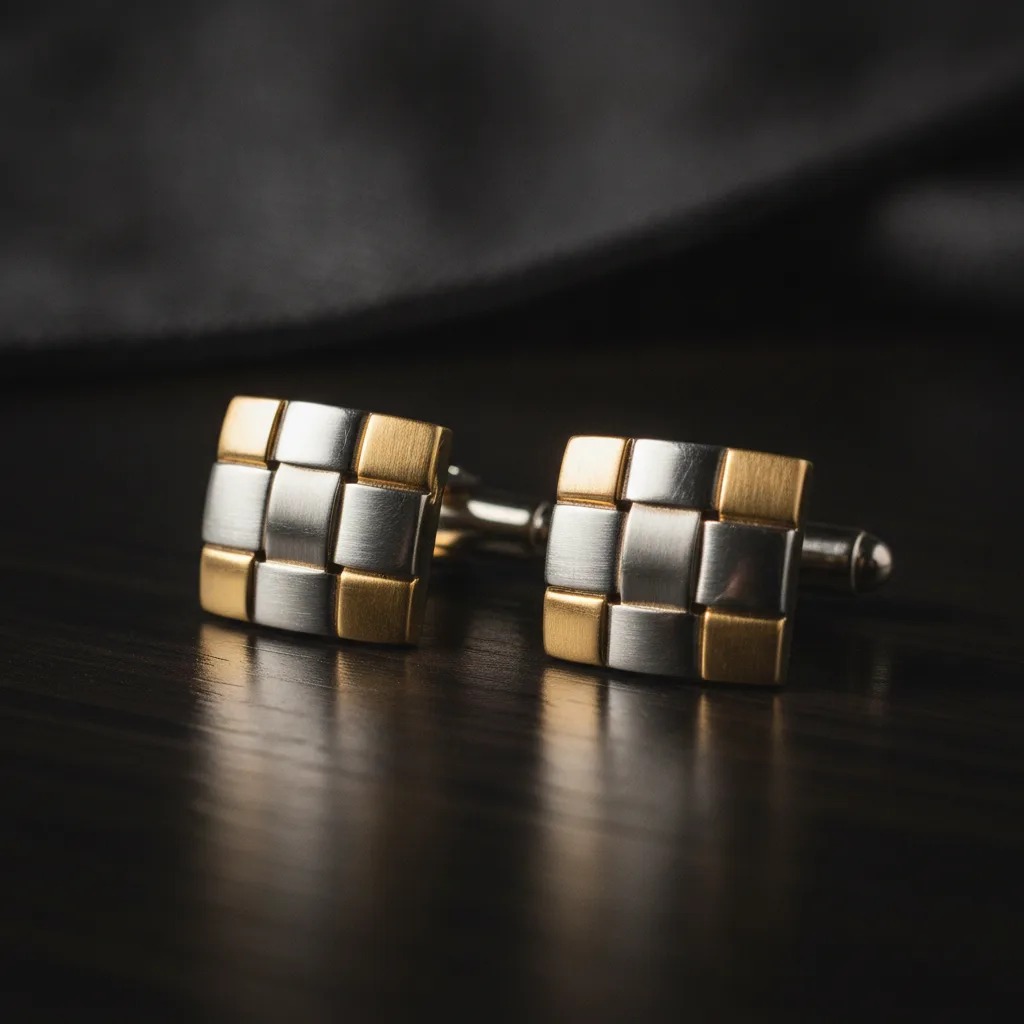
Whether you wear your cufflinks every day or only for special occasions, proper cufflink care is essential to preserve their shine and their looks. Over time, metals tarnish, stones get dirty and mechanisms seize up if nothing is done, to the point where even the finest suit loses its impact. In this Une Autre Paire De Manche article, you'll discover the right moves to clean and care for your silver, gold, steel and other cufflinks without damaging them. The goal: keep your accessories immaculate for years, even a lifetime.
How to Clean and Care for Your Cufflinks (Silver, Gold, Steel)
Reading time: ~12 min
- Why cufflink care matters
- Caring for cufflinks by material
- The ideal cufflink care routine
- Do's and don'ts for cufflink care
- Storing your cufflinks properly
- Practical checklist for cufflink care
- FAQ
Why cufflink care matters
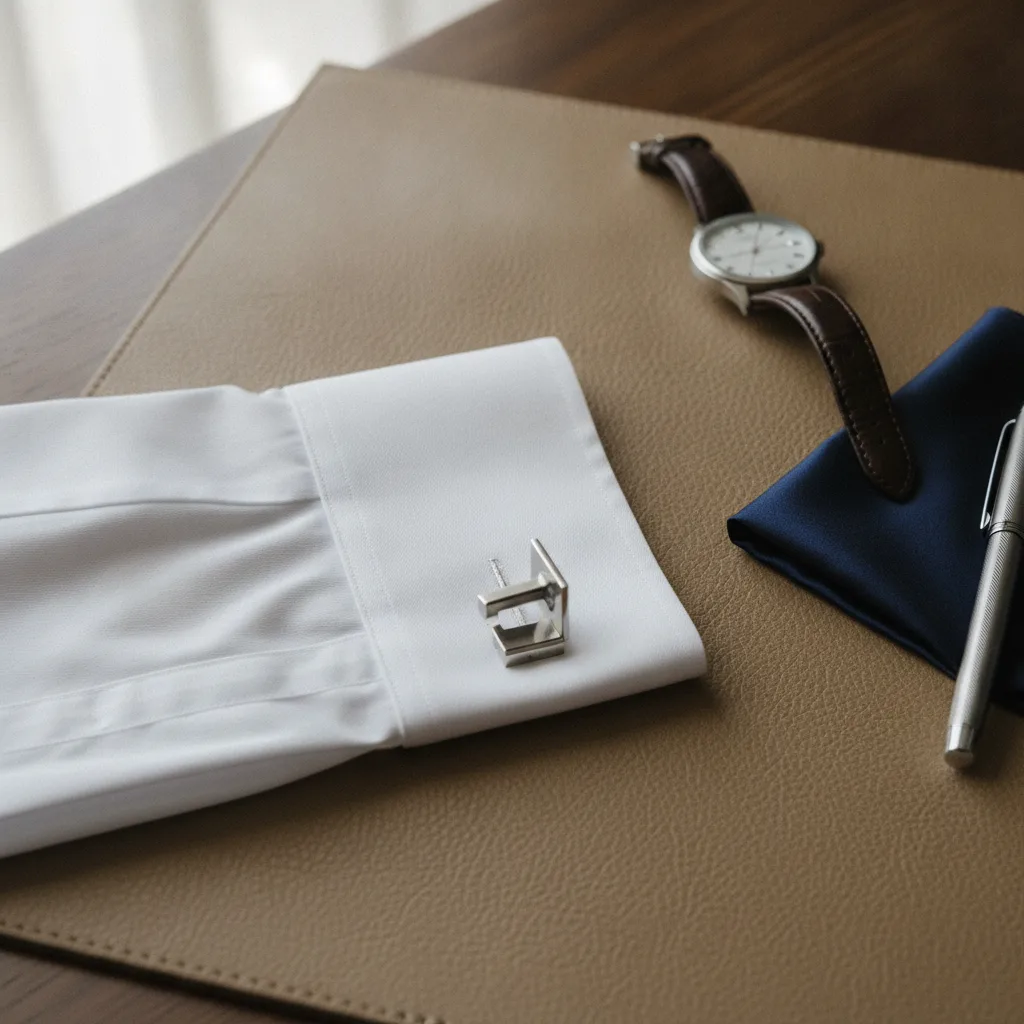
Cufflinks are genuine functional jewellery. Subjected to repeated rubbing against tables, desks or steering wheels, to sweat, air pollution and small knocks, the metal tarnishes and enamel or stones weaken if nothing is done. Regular care helps preserve the shine and colour of metals; keep the swivel bar or stud mechanism working properly; prevent premature oxidation (especially on silver); and limit the risk of losing stones or warping the setting. Tarnished or scratched cufflinks can clearly undermine an otherwise carefully put-together outfit; for a man over forty, or for a woman choosing her husband's accessories, these details make the difference between looking merely correct and giving a real impression of mastery.
Caring for cufflinks by material
Stainless steel and plated metals
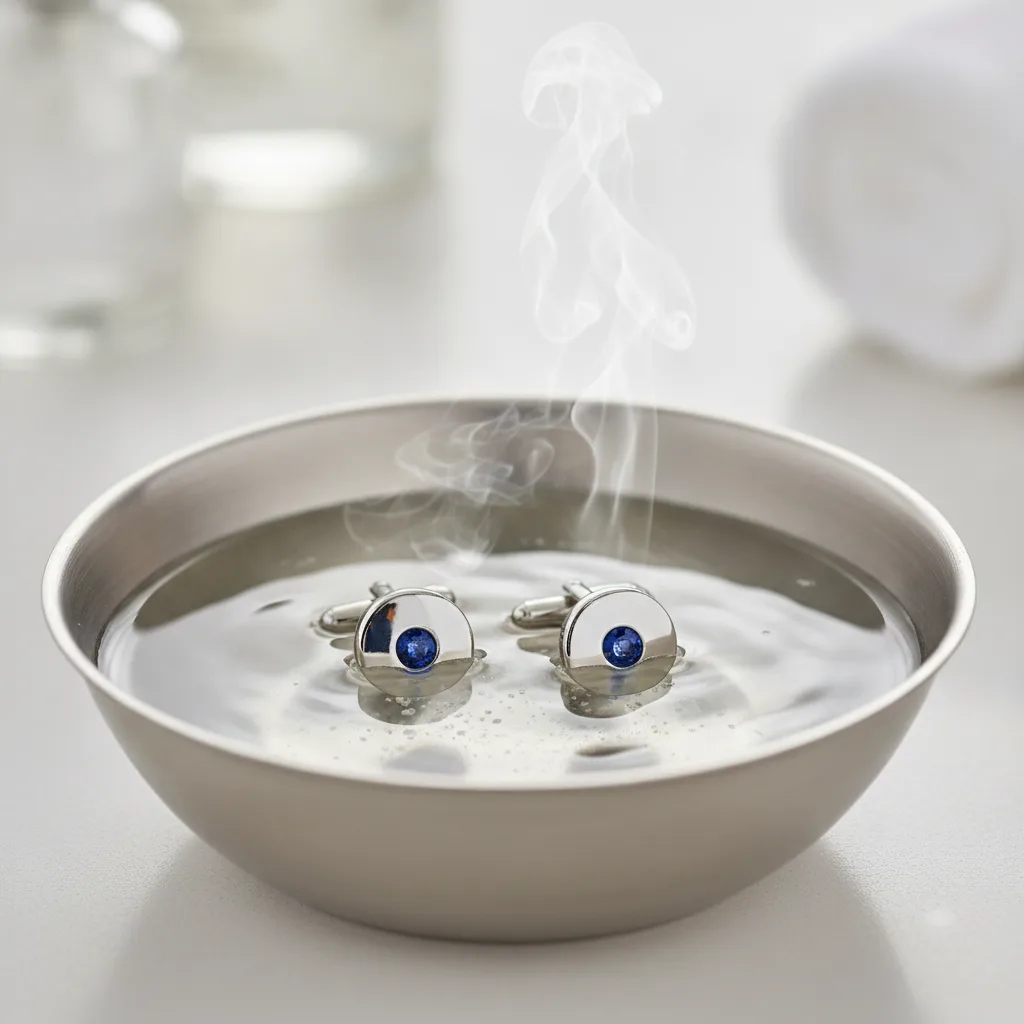
Stainless steel: Step 1: prepare a bowl of lukewarm water with a mild soap (such as Marseille soap or a gentle washing-up liquid). Step 2: briefly dip the pair (as long as it contains no wood or leather). Step 3: gently scrub with a soft toothbrush, especially around the bar and in the corners. Step 4: rinse with clean water. Step 5: dry thoroughly with a cotton cloth to avoid any watermarks. Avoid harsh household products such as bleach; even stainless steel should be stored away from moisture and dust.
Plated or costume metals: only wipe with a soft, very lightly dampened cloth, with a tiny drop of soap. Never scrub hard, and dry immediately to limit the risk of oxidation and stains.
Sterling silver cufflinks
Standard cleaning: use a special silver polishing cloth, or a soft cloth impregnated with silver cleaner, then wipe dry.
The "grandmother's trick" for de-tarnishing: line a bowl with aluminium foil (shiny side up), add fine salt, pour in very hot water, submerge the pair for a few minutes, then rinse and dry. This reaction lifts the tarnish without excessive scrubbing; light, regular polishing is then enough to keep up the shine.
Caring for gold and precious-metal cufflinks
Gold doesn't tarnish, but it does get dirty and can scratch. Prepare a bath of lukewarm soapy water, quickly dip the pair (unless it has leather or wood), clean with a very soft brush, rinse and dry with a microfibre cloth. Avoid toothpaste, which is often abrasive. For a piece set with precious stones or fine jewellery, it's best to leave deep cleaning to a jeweller.
Cufflinks with precious or semi-precious stones
Regularly wipe the stones with a lint-free cloth. For a deeper clean, use a product formulated for stones and a very soft brush around the setting. Regularly check that the stones don't move under light finger pressure; avoid knocks, sudden temperature changes and contact with alcohol, acetone, glue or varnish.
Enamel cufflinks
After each wear, wipe the surface with a soft cloth. If needed, go over it with a barely damp cloth to remove any surface mark. Avoid any abrasive paste or powder; protect the enamel from knocks, since an impact can cause an invisible but weakening chip.
Wood and leather
Wood: never submerge; dust with a dry cloth and avoid prolonged humidity, which could make the piece swell or warp.
Leather: keep it away from water and direct heat sources. If it dries out, you can occasionally apply a very thin layer of leather conditioner, then buff it.
The ideal cufflink care routine
Daily care routine
After each wear, wipe the pair with a soft cloth to remove sweat, dust and fingerprints; let them air-dry for a few minutes before putting them away. Every six to twelve months, carry out a deep clean suited to the material, check that the swivel bar turns freely, and inspect the settings. Wearing your cufflinks regularly limits the dust build-up that happens when accessories sit at the bottom of a drawer for too long.
Do's and don'ts for cufflink care
| Do | Don't |
|---|---|
| Identify the material before doing anything | Leave the pair on the shirt when it goes in the washing machine |
| Use lukewarm water and mild soap for most metals | Use bleach, harsh household products or toothpaste |
| Dry thoroughly with a cotton or microfibre cloth | Store in sealed plastic bags or in a damp place |
| Store each pair in a box or case away from dust | Let high-end pieces come into contact with alcohol, acetone, glue or varnish |
Storing your cufflinks properly
Everyday storage
Ideally, keep each pair in a felt-lined box or jewellery case, with separate compartments to prevent rubbing. Choose a dry spot, away from direct light and extreme temperature swings. Avoid tossing them loose into a drawer; don't leave your cufflinks out in the open either, as they'll gather dust faster and tarnish more. Style-wise, building a small, coherent collection lets you subtly match the tone of your cufflinks with that of your watch or wedding band.
Practical checklist for cufflink care
- Before cleaning: identify the main material; check for any major defects, loose settings or an overly loose bar.
- During cleaning: use lukewarm water and mild soap for most metals; use specialised products for silver and stones; keep wood and leather away from water.
- After cleaning: rinse thoroughly if water was used; dry completely with a soft cloth; inspect the mechanisms and stones; store the pair in a suitable box.
FAQ
Can you clean high-end cufflinks yourself?
Yes, as long as you use very gentle methods suited to the material. For gold, silver and precious stones, favour lukewarm soapy water, polishing cloths and specialist jewellery cleaners. If in doubt, or if the piece is very dirty, take it to a jeweller rather than attempting a harsh treatment at home.
How often should you look after your cufflinks?
Wipe the pair after each wear to remove sweat and fingerprints, then plan a deep clean every six to twelve months depending on how often you wear them. If you only wear them for special occasions, a full clean once a year is enough, as long as they're stored properly the rest of the time.
Is toothpaste a good solution for shining metal?
No. Even though the tip circulates widely, toothpaste contains abrasive particles that can scratch gold, silver and certain stones. Choose products specifically formulated for jewellery instead, or simply soapy water applied with a soft cloth.
Summary: caring for and preserving your cufflinks
Taking care of your cufflinks extends the life of accessories that are often given to mark an important moment (a wedding, a promotion, a birthday), and strengthens the consistency of your style over time. With a few simple steps, you'll keep their shine and reliability for years. To go further in choosing and caring for your future cufflinks, discover the Une Autre Paire De Manche world and our detailed advice at /en/.